

Top Coliving Spaces in Beijing

Beijing is a city of immense scale and contrast, where ancient hutongssit in the shadow of the futuristic CBD skyline. For digital nomads and expats, the capital offers deep cultural immersion, proximity to China's tech giants (Baidu, ByteDance), and a gritty, authentic energy distinct from Shanghai's polish. However, the rental market can be challenging; dealing with Lianjiaagents, 12-month contracts, and police registration (deng ji) are steep hurdles for newcomers.
Looking to actually book a stay?
This is an editorial guide, Everything Coliving is a content + advisory platform for operators, not a booking engine. To actually find availability and pricing for Beijing:
- Browse our Top Coliving Spaces directory + Operators Directory
- Check the major booking aggregators: BookMyColiving.com, Coliving.com, Spotahome, HousingAnywhere, Outsite
If you're an operator and want your space listed in our directory, submit it here.
Quick facts (editorial averages)
- Typical stay length: 1-12 months (most operators want 1mo+ minimum)
- Per-day / short stay: Rare, most Beijing operators don't run nightly rates. Check Outsite or hostels for <30-day stays.
- Pet policy: Mixed, typically allowed with deposit + restrictions; ask each operator directly.
- Rent range: Varies by neighborhood, see the operator-level pricing below or our city benchmarks for the Beijing stabilised RevPAB band.
Editorial averages from our operator network. Individual Beijing operators set their own policies, always confirm directly before booking.
Coliving operators in Beijing smooth out these friction points. They offer flexible leases, English-friendly apps, and often handle the crucial "Accommodation Registration Form" required by the police. From renovated courtyards in Dongcheng to modern towers in Haidian's university district, these spaces provide a soft landing in the political and cultural heart of China.
While you can rent a standard apartment, the "Coliving Premium" here buys you compliance, community, and often a much higher standard of air filtration and heating than a typical local rental. The list below covers the top operators you need to know.
For a quick overview of the best options, here is the full list at a glance:
Top Beijing Coliving Companies (Quick Reference)
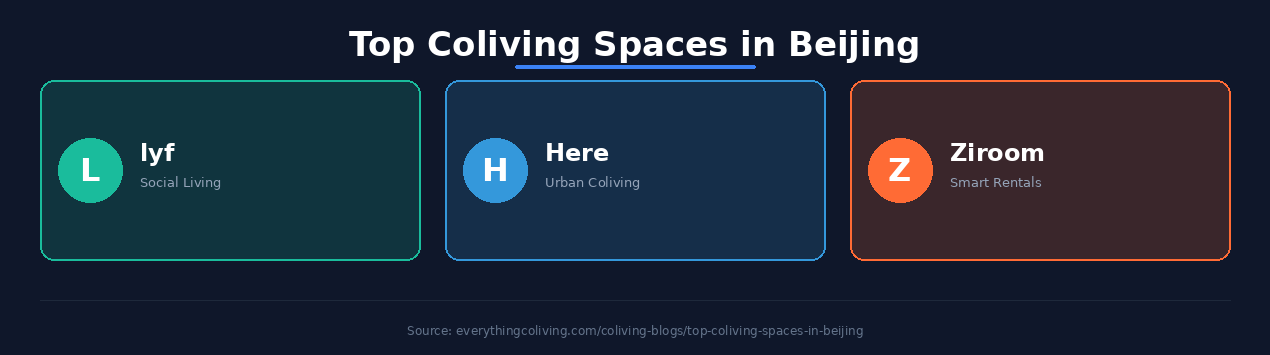
lyf: (lyf Shougang Park) A vibrant, social-first coliving hotel located in the rejuvenated Winter Olympic industrial park.
Here: (Here Housing) An expat-focused housing platform offering renovated, all-inclusive apartments with English-speaking support.
Ziroom: (Meeliving/Z-Space) China's rental giant offering an app-based experience for finding high-quality shared and private apartments.
lyf
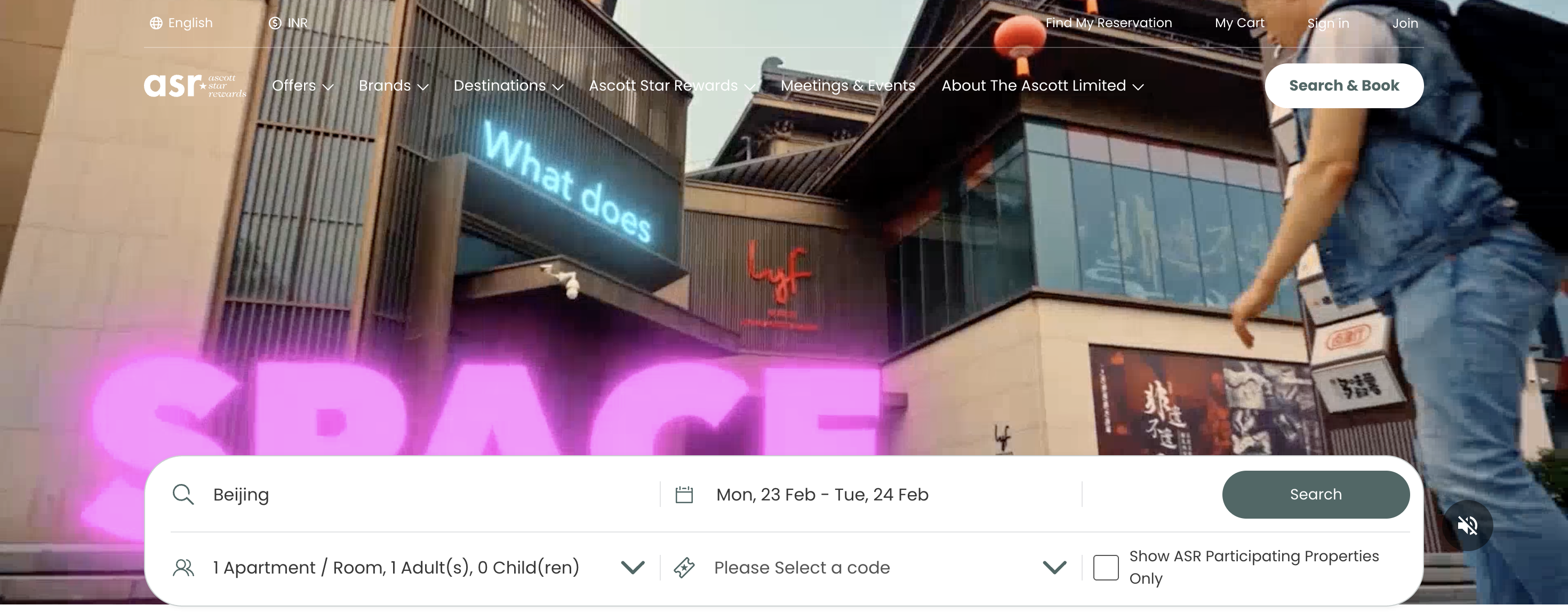
lyf (managed by Ascott) is designed for the next generation of travelers. lyf Shougang Park Beijing is located in a stunning urban regeneration zone - an old steel mill turned Winter Olympic venue. It offers a unique industrial-chic aesthetic and facilitates community through shared social spaces like the "Bond" kitchen.
Website: https://www.discoverasr.com/en/lyf
Pricing: Mid-Range rates generally start from RMB 6,000 - 9,000 per month for long stays. Daily rates are available but are higher, positioning it as a premium lifestyle hotel.
Deposit: A standard 1-month deposit is typically required for long-term leases. Short stays function like a hotel booking with a credit card hold.
Rental Terms:Flexible terms from daily to monthly allow for easy extensions. Ideally suited for nomads wanting to explore a quieter, cooler side of Beijing.
Amenities: Features the "Bond" (social kitchen), "Burn" (social gym), and coworking spaces . The area is excellent for runners and outdoor enthusiasts due to the nearby parklands.
Here
Here (Here Housing) is a service tailored specifically for the international community. They bridge the gap between local landlords and expats, offering renovated, fully furnished apartments with "all-inclusive" bills and English support. They are excellent for navigating the initial landing in Beijing.
Location: Focuses on expat-heavy districts like Sanlitun, Dongcheng, and the CBD. Their HQ is in Shanghai but they manage a portfolio of premium Beijing units.
Website: https://www.hereici.com
Pricing: Mid-Range pricing starts around RMB 5,000-8,000+ per month. Rates include the premium service of English support and bill management.
Deposit: Standard deposit structures apply. Terms are transparent, avoiding the hidden fees often charged by local agents.
Rental Terms: Flexible terms with lease negotiation support. They also assist with the crucial police registration process for foreign residents.
Amenities: "Here Heroes" support helps with WeChat Pay, SIM cards, and banking. Apartments are fully renovated with modern aesthetics and Western-style comforts.
Ziroom
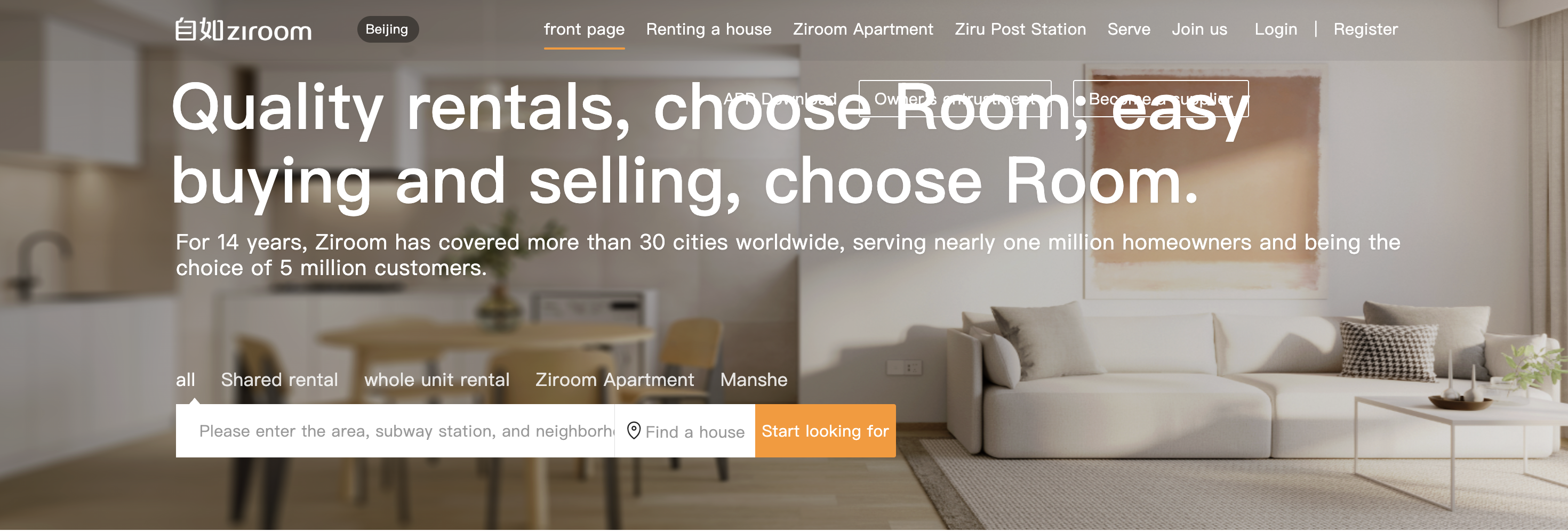
Ziroom (Ziru) is the dominant force in China's rental market. Their app allows you to rent rooms in shared apartments (Ziroom Meeliving ) or entire units (Ziroom Whole Rent ). They renovate thousands of local apartments to a standardized quality and manage them digitally.
Website: https://www.ziroom.com
Pricing: Affordable to Mid-Range. Shared rooms start from RMB 2,500, while central studios range from RMB 6,000+. Service fees of ~10% apply.
Deposit: Standard 1-month deposit. The entire process from signing to payment is handled digitally within the app.
Rental Terms: Monthly to Yearly flexibility. "Ziroom Short" options are specifically available for leases under a year.
Amenities: Bi-weekly cleaning service is included in the service fee. The app allows you to unlock your door and request repairs instantly.
Beijing is a rewarding but complex city to navigate, and choosing the right coliving space can make the difference between a stressful arrival and a smooth adventure.
The "Police Registration" Imperative: This is the most critical rule for foreigners in Beijing. You must register your address with the local police station (Paichusuo) within 24 hours of arrival. If you stay at a hotel-style coliving space like lyf , the front desk does this for you automatically. However, if you rent a room via Ziroom , you must physically go to the police station with your contract and landlord's documents. Operators like Here Housing are invaluable because they actively assist with this paperwork, preventing potential fines or visa issues.
The Great Firewall & Connectivity: Internet speed in Beijing is fast, but the "Great Firewall" blocks Google, Instagram, WhatsApp, and Slack. High-end serviced apartments often provide "foreign-friendly" internet packages. If you choose a local operator, ensure you have a robust VPN installed on all your devices beforeyou land.
Navigating the Digital Ecosystem: You cannot survive in Beijing with just cash or a Visa card. Everything from paying rent to unlocking your Ziroom apartment door happens on WeChat or Alipay. Before you arrive, try to set up "Alipay Tour Pass" or get a local to help you activate WeChat Pay immediately. Agencies like Here are excellent bridges for this, helping you navigate the digital landscape while you get your bank account sorted.
Choose Your District, Choose Your Life: Beijing is massive, and traffic is heavy. If you want history, culture, and hipster cafes, choose the Hutongs of Dongcheng . If you are here for tech and startups, Haidian is your hub. For a westernized lifestyle with import grocery stores and bars, stick to Chaoyang/Sanlitun .
Want to get your coliving space listed? Contact us to be featured in this guide.
Beijing coliving structural context: regulation, demand, and capital
Beijing's coliving market sits within a fundamentally different regulatory and capital landscape than Singapore, Tokyo, or Hong Kong. The 2017 Beijing rental housing reforms, the subsequent consolidation of long-term rental apartment (LTRA) operators, and the broader real estate sector recalibration of 2021-24 together shape what is possible for operators in 2026.
| Metric | Central Beijing (CBD, Sanlitun, Wangjing) | Tech corridor (Zhongguancun, Haidian) | Outer ring (Tongzhou, Daxing) |
|---|---|---|---|
| ADR per bed/month | RMB 4,500-7,500 | RMB 3,800-6,200 | RMB 2,800-4,500 |
| Stabilized occupancy | 88-94% | 89-95% | 82-90% |
| Average length of stay | 8-14 months | 10-16 months | 9-15 months |
| Primary tenant base | Returning Chinese professionals, finance, MNC | Tech employees, recent graduates | Workforce, longer-stay families |
Capital structure and the LTRA operator landscape
Beijing's long-term rental apartment operators are a mixture of state-affiliated, developer-backed, and venture-backed platforms. The category has consolidated meaningfully since 2018 around a smaller number of larger operators. For coliving-specific operators, the practical questions are:
- Master lease structures. Most operators run on multi-year master leases with individual landlords or building owners. The 2018-19 collapse of several smaller operators (driven by aggressive rent-to-rent arbitrage) reshaped tolerance for short master leases. Five-year minimum master leases are now standard.
- Capital pool composition. Foreign-currency capital flows into Chinese residential coliving are constrained by both Chinese regulation and operator due diligence. The 2026 market is overwhelmingly RMB-denominated equity and debt.
- State and policy bank involvement. Several Beijing coliving and LTRA operators have policy bank credit facilities supporting affordable housing-aligned product. This is a structural advantage operators outside that ecosystem cannot replicate.
Demand drivers Beijing operators actually plan around
- Hukou and household registration friction. Beijing's hukou system creates a structurally large population of long-term residents without local hukou, whose housing options skew rental. This is the deepest demand pool for coliving in the city.
- Tech employer demand. Zhongguancun and Haidian's tech employer base routes new graduates and recently relocated workers toward coliving and LTRA product. Corporate housing contracts with tech employers are a real channel for stabilizing occupancy.
- Returning international cohort. The 2020-23 return of Chinese nationals from overseas study and work has created a sticky longer-stay tenant base who value design, English-friendly community, and global-style amenity stacks.
- Domestic migration. Tier-2 and Tier-3 city professionals relocating to Beijing for career progression are the largest absolute demand pool, particularly in tech and creative industries.
Free Newsletter
Join 37,000+ coliving professionals
Weekly insights on operations, marketing, and growth, delivered to your inbox.
Common operator mistakes in Beijing
- Importing Western product specs unchanged. Beijing tenant expectations around laundry, kitchen, and storage differ materially from European or American norms. In-unit washer, larger refrigerator capacity, and dedicated cold storage matter.
- Underestimating winter heating economics. Beijing's centralised heating system covers November-March and is non-negotiable. Operators using buildings outside the central heating grid face material winter OpEx exposure.
- Misjudging community programming. The Western coliving playbook of frequent open community events does not translate directly. EC operator interviews suggest a quieter, more curated community model performs better with Chinese tenant cohorts.
- Skipping the property management company relationship. Property management companies (wuye) hold real operational power in Beijing buildings. Operators who do not develop strong wuye relationships face friction on everything from package delivery to fire inspection.
Regulatory and licensing reality
The Beijing rental housing regulatory framework distinguishes between long-term residential leasing (the cleanest pathway for coliving operators), short-term accommodation (hotel licensing required), and shared-housing-style products (operating under newer LTRA regulations). Foreign operators must work through Chinese legal entities and frequently through joint ventures with established Chinese partners.
The 2020-24 wave of LTRA-specific regulatory clarification has reduced uncertainty but increased compliance overhead. Reporting, tax structuring, and tenant registration requirements are material operational items.
Transit and the practical geography
Beijing's subway network is the structural advantage Western operators consistently underestimate. Properties within 600m of a subway station meaningfully outperform on occupancy and ADR. Subway Line 14, Line 19, and the suburban Line S1 expansions are reshaping submarket attractiveness through 2026-27.
Airport connectivity (PEK and the newer PKX) matters less than intra-city subway access for the typical coliving tenant base, who travel domestically more than internationally.
The 18-month outlook for Beijing
- Continued LTRA consolidation. The top 5 LTRA operators will continue to absorb smaller competitors, with several smaller coliving-specific brands likely to be acquired or wound down.
- Policy bank capital deepening. Affordable housing-aligned product (workforce coliving in outer-ring submarkets) will continue to attract policy bank credit at attractive terms.
- International tenant cohort recovery. A material recovery in inbound international student and professional flow would reprice central-Beijing coliving demand meaningfully.
- Domestic capital deployment. Beijing-based family offices and high-net-worth investors are increasingly looking at coliving as a category. EC operator interviews suggest 2026 will see several new platform launches with this capital base.
Beijing new-operator playbook: what foreign operators must understand
- Joint venture with a Chinese partner. Foreign operators entering Beijing without a Chinese capital and operating partner consistently underperform on entitlement, regulatory navigation, and OpEx control. The structural pattern is unmistakeable.
- RMB capital matching. The 2026 Beijing coliving capital base is overwhelmingly RMB-denominated. Foreign-currency capital faces both regulatory friction and FX risk. Local-currency financing is materially superior.
- Build relationships with property management companies (wuye). Wuye relationships drive everything from package delivery to fire inspection. Operators who do not develop strong wuye relationships face daily operational friction.
- Underwrite winter heating economics. Beijing centralised heating covers November-March. Buildings outside the central heating grid face material winter OpEx. Heating connection status is a primary site-selection criterion.
- Design for Chinese tenant expectations. Larger refrigerators, in-unit laundry, dedicated cold storage, AC and heating. Importing Western design specs unchanged underperforms.
Beijing exit pathways in 2026
- Sale to established LTRA operator. The Beijing LTRA operator base is consolidating. Several established operators actively acquire coliving brands to expand product portfolio.
- Sale to state-affiliated or developer-backed platform. Several state-affiliated and developer-backed platforms have launched coliving allocations. Transactions tend to favour operators with documented operating history and clean regulatory standing.
- Policy bank refinancing. Affordable-housing-aligned product can access policy bank credit at attractive terms. This is a structural advantage for operators positioned in the affordable segment.
What to actually watch in Beijing through end-2027
- LTRA regulatory framework evolution. The 2020-24 LTRA regulatory clarification has reduced uncertainty but compliance overhead remains material. Continued evolution will shape operator economics.
- International tenant cohort recovery. A material recovery in inbound international student and professional flow would reprice central Beijing coliving demand.
- Subway expansion impact. Subway Line 14, Line 19, and Line S1 extensions will reshape submarket attractiveness through 2026-27. Acquiring along extension corridors positions operators for compression as connectivity improves.
- Tech employer demand patterns. Zhongguancun and Haidian tech employer demand is the swing variable for tech-corridor coliving. Watch quarterly tech-sector hiring data.
Explore more coliving city guides
Planning a move or comparing cities? Browse the full coliving spaces directory, or explore more city guides:
Written by
Mayank Pokharna
Mayank Pokharna is the founder of Everything Coliving. 13+ years in coliving as an operator, PMS builder (JumboTiger, SimplyGuest), and advisor to 60+ operators advised across 14+ countries. Listed as a coliving expert on co-liv.org, featured in Forbes India, BBC Punjabi, Financial Express, and Economic Times, and published on the economics of shared living.
Explore Related Topics
Further Reading
Related Articles

Top Coliving Spaces in Athens
Finding a place to live in Athens as a newcomer, student, or remote worker can be daunting, upfront deposits, year-long leases, and furnishing an empty flat all add friction.…

Top Coliving Spaces in Oslo
Oslo's rental market rewards people who move fast and know what they want. For students, young professionals, and digital nomads, coliving offers a simpler path than the…

Top Coliving Spaces in Chennai
Chennai's rental market rewards people who move fast and know what they want. For students, young professionals, and digital nomads, coliving offers a simpler path than the…

Top Coliving Spaces in Krakow
Krakow's rental market rewards people who move fast and know what they want. For students, young professionals, and digital nomads, coliving offers a simpler path than the…
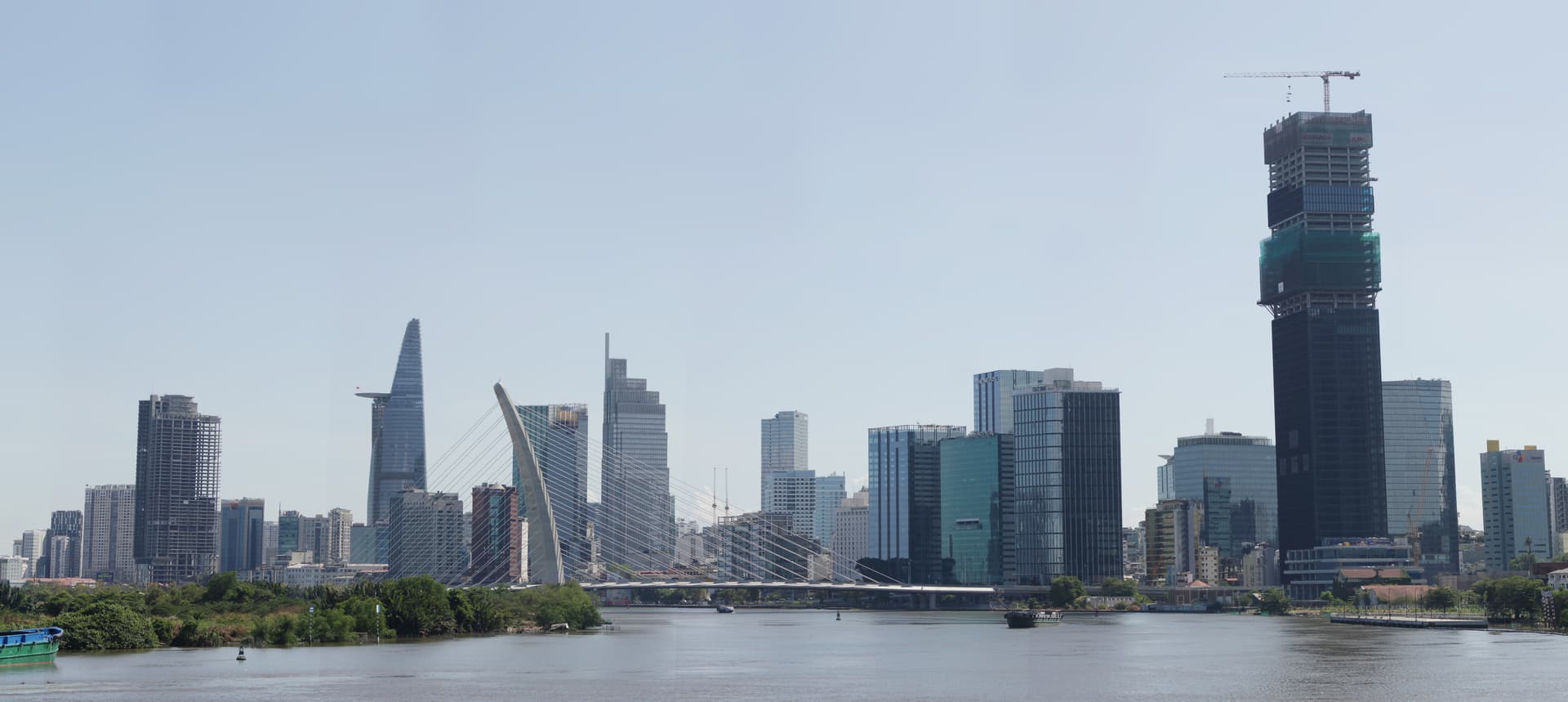
Top Coliving Spaces in Ho Chi Minh City
Coliving has quietly reshaped how newcomers settle into Ho Chi Minh City. Instead of hunting for an unfurnished flat, negotiating utilities, and signing a long lease, residents…